Source Child Proof Airtight Glass Jar for Cream, Powder, and Lotion
Compare 30 child proof airtight glass jar options from verified suppliers. These customizable containers feature screw lids, child-resistant closures, and are suitable for storing creams, powders, and lotions with leak-proof and smell-proof designs; compare the available evidence and request quotations based on your requirements.
Key considerations
Products List




Comprehensive Sourcing Guide
Child Proof Airtight Glass Jar Sourcing Guide
Procuring child-resistant glass jars requires a careful balance of safety compliance, material integrity, and supply chain reliability. These containers are engineered to prevent accidental access by young children while maintaining an airtight seal to preserve product freshness. Buyers must prioritize suppliers who demonstrate consistent manufacturing capabilities and transparent quality control processes. The following guide outlines the critical factors for sourcing these specialized packaging solutions effectively.
Product Scope and Observed Listing Signals
Market listings for child-resistant glass jars typically highlight specific material compositions and closure mechanisms. Observed data indicates that these products are primarily constructed from glass bodies paired with plastic lids, ensuring durability and chemical resistance. The closure systems are frequently described as single-wall and child-resistant, designed to meet stringent safety standards. Buyers should verify that the listed closure type matches their specific regulatory requirements and usage scenarios.
Common applications for these jars include the storage of cosmetics, personal care products, food items, beverages, chemicals, and medicines. The observed usage range extends to scrubs, powders, masks, lotions, creams, serums, dry flowers, spices, and gummies. This versatility makes them suitable for various industries, from pharmaceuticals to gourmet food packaging. Procurement teams should align their selection with the specific product characteristics they intend to store, ensuring compatibility with the jar’s design.
Technical Specifications to Verify
Technical verification begins with confirming the physical dimensions and capacity of the jars. Standard sizes observed include 1oz to 6oz capacities, with specific models like the 3.5g and 5g variants available. Dimensions such as D57*H54mm are common for certain models, while others are specified by volume, such as 5ml, 7ml, 9ml, and 15ml. Buyers must ensure that the selected size aligns with their product volume requirements and shelf space constraints.
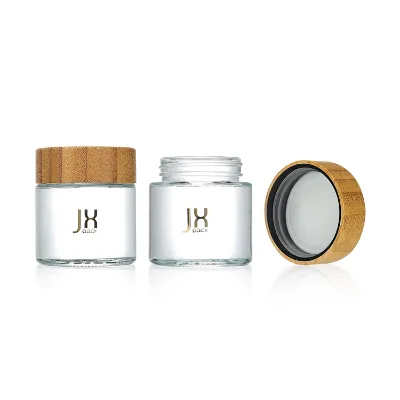
The shape and surface treatment of the jars also play a crucial role in branding and functionality. Most observed jars are round, offering a classic and stable profile for stacking and display. Surface treatments can be customized, including bright, matte, frosted, or color-coated finishes. Additionally, logo printing options such as silk screen, hot stamping, decal, or label application allow for extensive brand customization. These aesthetic choices should complement the overall product identity and marketing strategy.
Compliance and Safety Documentation
Child-resistant packaging is subject to rigorous safety regulations to prevent accidental ingestion or exposure. Buyers must request documentation that verifies the jar’s compliance with relevant child-safety standards, such as those set by regulatory bodies in their target markets. The child-resistant feature is a critical selling point, but it must be substantiated by third-party testing or certification. Without proper documentation, the product may not meet legal requirements for sale in certain jurisdictions.
In addition to child-resistance, the airtight nature of the jar is essential for preserving product integrity. Buyers should inquire about leak-proof testing results to ensure that the seal remains effective under various conditions. The combination of child-resistant and leak-proof features provides dual protection, safeguarding both consumer safety and product quality. Suppliers should be able to provide evidence of these performance characteristics through standardized testing protocols.
Cost Drivers and Commercial Terms
Several factors influence the cost of child-resistant glass jars, including material quality, customization level, and order volume. The minimum order quantity (MOQ) is a significant commercial term, with observed values ranging from 100 to 10,000 units. Some suppliers specify an MOQ of 5,000 pieces, while others may accommodate smaller quantities upon request. Buyers should negotiate MOQs that align with their inventory management strategies and cash flow capabilities.
Customization options, such as logo printing and surface treatment, can impact the unit price. Factory-direct sales and stable production capabilities may offer cost advantages, but buyers should also consider freight costs, which can be incurred via sea or air freight. Sample fees are typically charged separately, and buyers should clarify these costs before placing large orders. Understanding the total cost of ownership, including logistics and customization, is essential for accurate budgeting.
Supplier Qualification and Quality Control
Evaluating supplier qualifications is crucial for ensuring consistent product quality and reliable delivery. Buyers should verify the supplier’s production capacity and history of stable output. The ability to accept OEM and ODM orders indicates flexibility in meeting specific client requirements. Suppliers with a track record of factory-direct sales often provide better control over quality and pricing. Due diligence on the supplier’s operational capabilities can mitigate risks associated with supply chain disruptions.
Quality control processes should be transparent and robust. Buyers should inquire about the supplier’s inspection procedures for raw materials, in-process production, and final packaging. The use of carton and pallet packing suggests a focus on protecting the glass jars during transit. Suppliers who offer customizable packaging solutions can further enhance product protection and branding. Establishing clear quality expectations and inspection rights in the contract is vital for maintaining product standards.
Long-Term Procurement Checks
Long-term procurement success depends on continuous monitoring of supplier performance and product quality. Buyers should establish key performance indicators (KPIs) for delivery times, defect rates, and customer satisfaction. Regular audits of the supplier’s facilities and quality management systems can help identify potential issues early. Maintaining open communication with the supplier ensures that any changes in production or regulations are promptly addressed.
Adapting to market trends and regulatory changes is also essential for long-term viability. As safety standards evolve, buyers must ensure that their packaging solutions remain compliant. Exploring new customization options and materials can provide competitive advantages. Building a strong partnership with a reliable supplier fosters innovation and efficiency. Continuous evaluation and adjustment of procurement strategies will help sustain business growth and customer trust.
FAQs
What is the minimum order quantity for these jars?
The minimum order quantity is 5000 pieces for standard orders. Buyers can contact the supplier directly to inquire about smaller quantities if their specific needs require a lower volume than the standard threshold.
Can I customize the logo and color of the jar?
Yes, customization is available for both logos and cap colors. You can choose from black, white, green, or custom colors, and apply logos via silk screen, hot stamping, decal, or label printing methods.
What materials are used for the jar and the lid?
The jar body is made of glass, while the lid material is plastic. This combination ensures the container is durable, child-resistant, and suitable for storing various products like creams, powders, and gummies.
How is the product packed for shipping?
Products are packed in cartons, often placed on pallets for stability during transit. The standard packing configuration includes 200 pieces per carton, ensuring safe delivery via sea or air freight options.
What sizes are available for the child-resistant glass jars?
Available sizes range from 1oz to 6oz, with specific models like 5ml, 7ml, 9ml, and 15ml. Dimensions such as D57*H54mm are also offered for specific concentrate jar applications.
Is the jar suitable for storing food and cosmetics?
Yes, the jar is designed for multiple uses including cosmetics, personal care, food, and chemical storage. Its child-resistant and airtight features make it ideal for creams, lotions, and dry flowers.
Can the supplier provide samples before bulk production?
Samples are available upon request, but exact sample fees must be confirmed by contacting the supplier directly. This allows buyers to verify quality and specifications before committing to a larger order volume.